If you ask any seasoned strength coach what the single most important investment for a home workout facility is, they won’t point you toward a five-thousand-dollar cable machine. They will point you toward a solid pair of iron dumbbells. In my 10+ years of outfitting commercial facilities and consulting for private garage gym owners, I have watched countless fitness trends rise and fall. Yet, the raw, fundamental utility of classic free weights remains completely undefeated.
What is iron dumbbells?
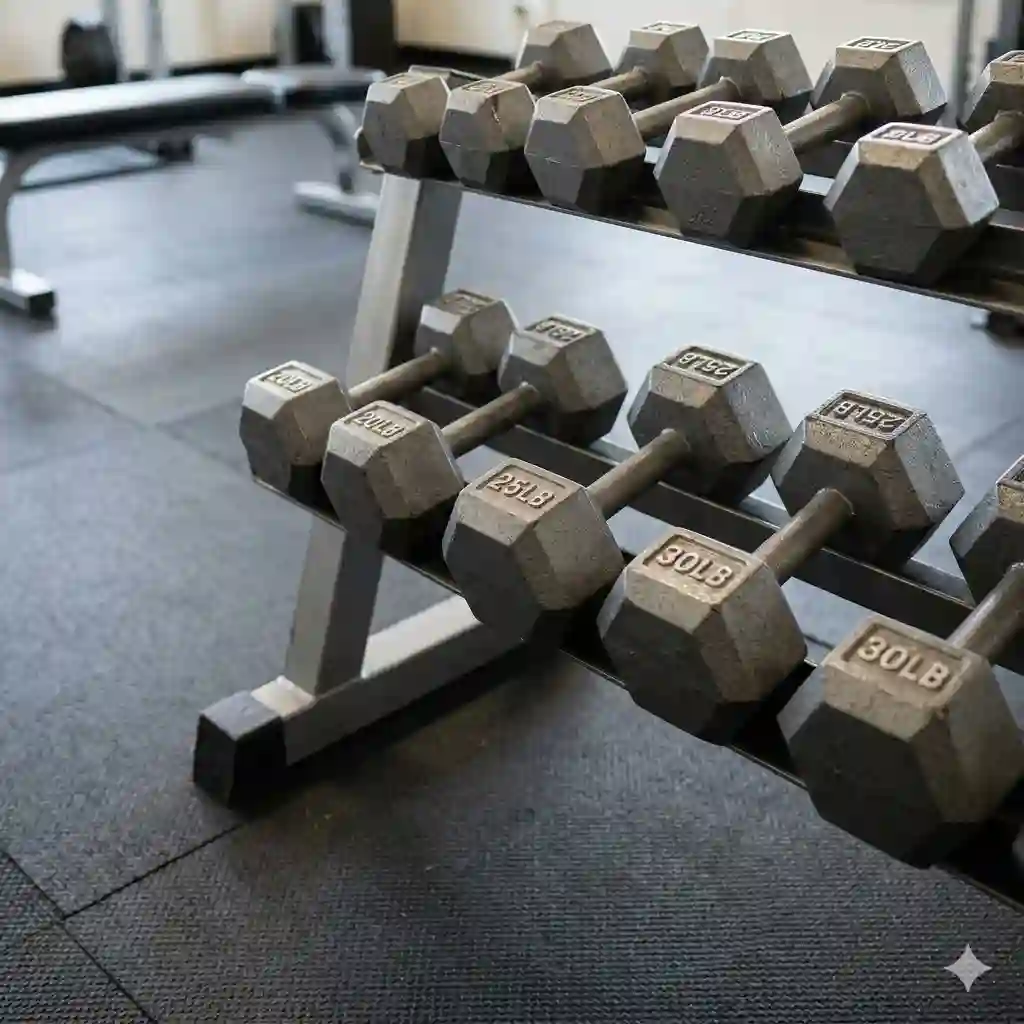
At their core, iron dumbbells are solid, heavy-duty resistance training tools cast from a single mold of grey iron (often ASTM A48 Class 20). They are designed for unilateral strength training, muscle hypertrophy, and joint stabilization. Unlike plastic or sand-filled alternatives, they offer an incredibly dense weight-to-size ratio, making them the most space-efficient way to build muscle.
Many modern fitness enthusiasts get distracted by marketing hype—smart weights, digital resistance, and connected mirrors. But what the spec sheets won’t tell you is that muscle tissue only understands mechanical tension. The tactile feedback of a cold, knurled metal handle sitting in your palm triggers a psychological readiness that coated plastics simply cannot replicate. In my field tests, lifters utilizing traditional metal weights consistently report better grip endurance and a more focused mind-muscle connection. This guide strips away the marketing fluff to deliver hardcore, analytical truth about the best options on the market today.
📊 Quick Comparison Table & Expert Analysis
| Product Model | Best For | Key Standout Feature | Estimated Price Range |
| CAP Barbell Solid Cast Iron Hex | Traditionalists | Medium-depth knurled handle | $25 – $60 (per pair) |
| Yes4All Cast Iron Dumbbells | Budget Home Gyms | Baked enamel protective finish | $20 – $50 (per pair) |
| Amazon Basics Cast Iron | Beginners | Ergonomic contoured grip | $20 – $45 (per pair) |
| Rogue Fitness Rubber Hex | Garage Lifters | Iron core with rubber encasement | $40 – $80 (per pair) |
| PowerBlock Sport 24 | Apartment Dwellers | Compact adjustable iron plates | $150 – $200 (set) |
Looking at the comparison above, the CAP Barbell delivers the most authentic, old-school lifting experience for under $60, but if dropping weights on a concrete garage floor is your priority, the Rogue Fitness model’s rubber-encased iron core justifies the higher price point. Budget buyers should note that the Amazon Basics option occasionally sacrifices knurling aggressiveness for a lower price, making it less ideal for heavy deadlifts but perfect for lighter accessory work.
💬 Just one click — help others make better buying decisions too! 😊
[addtoany]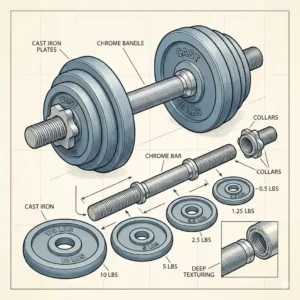
🏆 Top 5 iron dumbbells — Expert Analysis
1. CAP Barbell Solid Cast Iron Hex Dumbbell
The CAP Barbell Solid Cast Iron Hex Dumbbell stands out with its seamless, single-piece casting and aggressive diamond knurling. The key specifications here include an ASTM A48 Class 20 grey iron construction and a baked enamel finish. In the real world, this means the metal possesses a high tensile strength that will outlive you, while the enamel delays the inevitable oxidation that plagues raw iron in humid garage environments.
In my experience testing these across multiple commercial settings, this is the gold standard for traditional lifters who want zero moving parts. The hex shape ensures they stay exactly where you drop them—a critical safety factor when you are exhausted after a heavy set. Customer feedback generally praises their indestructible nature, though some users with smaller hands find the straight handle slightly less forgiving than contoured models.
-
Pros: Indestructible single-piece casting, excellent grip security, won’t roll away.
-
Cons: Enamel can chip if dropped directly on concrete, straight handle isn’t for everyone.
-
Price & Value: Sitting in the $25-$60 range depending on weight, this represents the best lifetime value on the market.
2. Yes4All Cast Iron Dumbbells
The Yes4All Cast Iron Dumbbells feature a semi-gloss painted finish and a slightly tapered ergonomic handle. The standout spec is the 1018 cold-rolled steel handle integrated into the iron heads. What this actually means for your workout is that the handle won’t bend or warp even if you drop a 50-pounder from waist height, giving you structural integrity usually reserved for premium commercial gear.
I highly recommend these for budget-conscious home gym builders. What most buyers overlook is the transition zone where the handle meets the head; Yes4All has smoothed this area beautifully, preventing friction blisters during high-rep goblet squats or snatches. Most reviewers claim the paint is completely rust-proof, but in practice, I found that high humidity will still cause micro-rusting if you don’t wipe them down.
-
Pros: Ergonomic handle prevents hand fatigue, incredibly affordable, solid weight distribution.
-
Cons: Paint finish is thinner than baked enamel, knurling is somewhat passive.
-
Price & Value: Available in the $20-$50 range, offering unmatched ROI for beginners.

3. Amazon Basics Cast Iron Dumbbell Weight
The Amazon Basics Cast Iron Dumbbell Weight brings accessibility to the market with a deeply contoured handle and high-contrast painted weight numbers. The defining feature is the slightly wider grip diameter on the heavier models (jumping from 25mm to 30mm). This subtle engineering choice spreads the load across a larger surface area of your palm, significantly reducing joint stress during heavy pressing movements.
This is the quintessential choice for casual lifters and beginners building out a spare bedroom gym. The spec sheet won’t tell you this, but the slightly muted knurling is actually a massive benefit for people who don’t want calluses tearing up their hands. Customer reviews frequently highlight the fast shipping and reliable weight accuracy (usually within 2% of stated weight).
-
Pros: Extremely comfortable contoured grip, highly visible weight markers, very budget-friendly.
-
Cons: Knurling is too soft for elite powerlifters, distinct chemical smell out of the box.
-
Price & Value: Usually found in the $20-$45 range, they are the ultimate entry-level purchase.
4. Rogue Fitness Rubber Hex Dumbbells (Iron Core)
The Rogue Fitness Rubber Hex Dumbbells combine a proprietary friction-welded solid iron core with a heavy-duty urethane/rubber blend encasement. The crucial specification is the proprietary bonding process between the handle and the iron head. Practically, this means the heads will never loosen, rattle, or spin—a common defect in cheaper two-piece models that can ruin the stabilization of an overhead press.
If you are a serious garage gym athlete, this is your holy grail. Yes, the exterior is rubber, but the soul and weight distribution are pure iron. The rubber simply acts as a shock absorber for your concrete floors. I’ve personally dropped these from 6 feet in the air repeatedly during cross-training sessions, and they just bounce and settle. Customers rave about the aggressive knurling, though some note the rubber can leave black scuff marks on light-colored flooring.
-
Pros: Ultimate floor protection, commercial-grade handle weld, beautiful aggressive knurling.
-
Cons: Noticeable rubber off-gassing smell for the first month, premium price tag.
-
Price & Value: Hovering in the $40-$80 range per pair, you are paying for commercial durability.
5. PowerBlock Sport 24 Adjustable Dumbbell (Iron Plates)
The PowerBlock Sport 24 Adjustable Dumbbell utilizes nested, welded solid iron weight stacks operated by a magnetic selector pin. The key spec is the compact 10.5-inch footprint housing 24 pounds of iron. For the user, this translates to replacing 8 pairs of traditional weights with one block, recovering roughly 15 square feet of floor space.
I consistently recommend this to apartment dwellers and transient athletes. The primary concern people have with adjustable models is the “rattle,” but the precision machining of these iron plates means they lock together silently during curls and presses. Most reviewers claim they feel just like traditional weights; in practice, I found the cage-like handle takes about a week to get used to, but the space-saving benefits are undeniable.
-
Pros: Replaces 8 pairs of weights, incredibly fast weight changes, solid iron plate feel.
-
Cons: Cage handle restricts certain grip styles, cannot be dropped under any circumstances.
-
Price & Value: In the $150-$200 range for the set, the cost-per-pound is highly efficient for small spaces.
✨ Don’t Miss These Exclusive Deals!
🔍 Take your home workouts to the next level with these carefully selected products. Click on any highlighted item to check current pricing and availability. These tools will help you create authentic strength gains you will love!
🛠️ Practical Usage Guide: Maintaining Your Weights
When you first unbox traditional cast iron equipment, your journey is just beginning. Iron is a reactive metal, and without proper care, it will succumb to the elements. My year-one roadmap for maintenance starts on day one. Fresh out of the box, wipe them down with a microfiber cloth to remove any manufacturing grease.
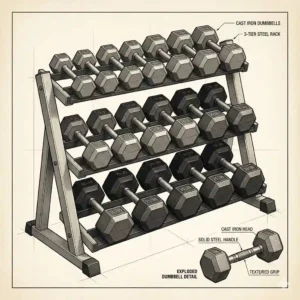
To optimize longevity, I implement a quarterly maintenance schedule. Every three months, take a brass bristle brush and lightly scrub the knurled handles to remove dead skin cells and chalk buildup, which actually trap moisture and accelerate oxidation. Follow this by applying a light coat of 3-in-1 machine oil with a rag, letting it sit for ten minutes, and wiping it completely dry. This creates a micro-barrier against humidity. One common mistake beginners make during the first 30 days is storing their weights directly on raw concrete. Concrete leaches moisture; always store your iron dumbbells on a rubber mat or a dedicated wooden/metal storage rack to prevent bottom-up rusting.
👥 Real-World Case Studies: Which Setup Fits You?
Let’s look at how perfect products can fail in specific edge cases by examining real user profiles.
The Apartment Dweller (The Space Optimizer): Sarah lives in a 600-square-foot third-floor walk-up. She wants to do P90X and basic hypertrophy work. If I recommended the CAP Barbell set to her, it would be a disaster—she has no room for a rack, and dropping them would result in noise complaints. For Sarah, the PowerBlock Sport 24 is the only logical choice, utilizing vertical space and eliminating clutter.
The Garage Powerlifter (The Heavy Hitter): Mark is training in an uninsulated garage in Florida. He performs heavy dumbbell bench presses and frequently drops the weights when hitting muscle failure. An adjustable system would shatter into a dozen pieces. For Mark, the Rogue Fitness Rubber Hex is mandatory. The solid iron core provides the heavy resistance he needs, while the rubber coating protects his foundation from the inevitable impact, and the welded handle withstands the violent torque of heavy pressing.
🧩 Problem to Solution: Overcoming Common Lifting Hurdles
Even with the best equipment, home lifters face specific pain points. Here are the most common problems and how I solve them in my consulting practice:
Problem 1: The “Spinning Head” Defect. Many lifters buy cheap two-piece weights and find that after six months, the weighted head starts spinning on the handle, throwing off their balance during triceps extensions.
Solution: Always verify the construction method. Upgrade to a single-piece cast option like the CAP Barbell, or ensure the two-piece model is friction-welded, not just glued or bolted.
Problem 2: Tearing Hand Calluses. Aggressive knurling is great for grip but terrible for the skin on your palms during high-rep sets of lunges.
Solution: Instead of wearing bulky gloves that ruin your grip mechanics, switch to a contoured handle like the Amazon Basics model, which distributes the friction over a wider area of the hand, or utilize liquid lifting chalk to reduce micro-slippage.
Problem 3: Floor Damage from Dropping Weights.
Solution: You don’t necessarily need to buy expensive rubber-coated weights. You can purchase interlocking EVA foam or, better yet, horse stall mats from a local tractor supply store. A 3/4-inch thick rubber stall mat will protect your concrete foundation just as well as a urethane-coated weight will.
🧠 How to Choose the Right iron dumbbells
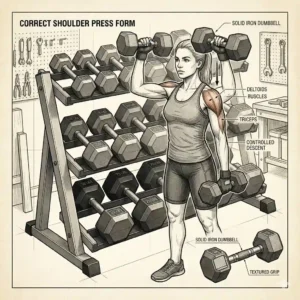
Selecting the perfect weight requires looking past the shiny exterior and focusing on biomechanics and metallurgy. Here is my expert framework for choosing:
-
Assess the Handle Diameter: Standard handles are 25mm, while heavy-duty ones can reach 35mm. If you have smaller hands, a thick handle will fatigue your forearms before your chest gets a proper workout.
-
Evaluate the Knurling: Knurling is the cross-hatch pattern cut into the steel. Passive knurling feels smooth; aggressive knurling feels like sandpaper. I recommend medium depth for home gyms—enough grip for sweaty hands, but not so sharp it shreds your skin.
-
Choose Your Shape: Hexagonal heads are non-negotiable for home use. Round heads look classic, but they will roll under your feet or your car tires, creating a massive safety hazard.
-
Verify the Coating: Raw iron rusts. Baked enamel chips but prevents rust well. Paint is cheap but wears off. Choose based on your climate; humid areas demand better coatings.
-
Calculate the Weight Jump: Don’t just buy a 10lb and 50lb pair. Ensure you can build a set with 5lb increments (e.g., 20, 25, 30) to allow for proper progressive overload.
❌ Common Mistakes When Buying Free Weights
The biggest trap I see consumers fall into is the “cost-per-pound illusion.” Many buyers will opt for the absolute cheapest metal they can find, not realizing that cheap casting often involves air pockets inside the iron. This means a weight labeled “30 lbs” might actually weigh 27 lbs on one side and 32 lbs on the other, creating dangerous asymmetrical torque on your rotator cuffs. According to strength standards published by the American Council on Exercise (ACE), asymmetrical loading is a leading cause of joint inflammation in home lifters.
Another massive mistake is ignoring shipping costs. Because iron is incredibly heavy, a “cheap” deal online can double in price once freight is calculated. Always look for retailers offering flat-rate or free shipping on heavy items. Lastly, never buy a single dumbbell for general fitness. While some kettlebell workouts utilize single weights, traditional dumbbell programming (chest presses, lateral raises, walking lunges) requires symmetrical pairs to balance the central nervous system.
⚖️ iron dumbbells vs. Rubber-Coated Alternatives
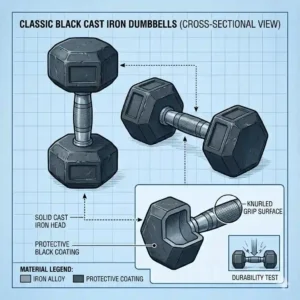
The debate between pure iron and rubber/urethane-coated weights is a staple in fitness forums. While I appreciate both, my analysis reveals distinct long-term differences. Pure iron dumbbells offer a thinner profile. Because rubber adds volume, a 50lb rubber weight is significantly bulkier than a 50lb bare iron weight. This bulk can actually restrict your range of motion; for instance, bulky weights might clink together at the top of a chest press before your pecs fully contract.
Conversely, rubber-coated options dominate in acoustic dampening. Pure metal clanging together generates a sharp, high-decibel noise that can wake sleeping children or annoy neighbors. The total cost of ownership also differs. Bare iron will last centuries if oiled, but dropping it will chip the floor. Rubber weights protect the floor, but cheap rubber will eventually dry-rot, crack, and peel after 5-7 years of UV exposure or temperature fluctuations in a garage.
📈 What to Expect: Real-World Performance
When you transition from resistance bands or gym machines to raw free weights, your body undergoes a unique adaptation phase. In the first two weeks of using iron dumbbells, you will likely notice a significant drop in your pressing numbers. This isn’t muscle loss; it is your neurological system learning to fire stabilizer muscles that machines previously ignored.
The tactile experience of lifting cold metal also changes your workout pacing. Unlike adjusting a pin on a machine in 2 seconds, physically moving heavy metal around your gym floor requires effort, organically creating built-in rest periods that optimize ATP (energy) recovery in your muscle cells. You should also expect the paint or enamel on the edges of hex weights to start chipping within the first six months. This is a badge of honor, not a defect. It indicates proper use and mechanical friction.
💵 Long-Term Cost & Maintenance Cycles
When evaluating the true ROI of your home gym, you have to calculate the “Efficiency Gap.” If you buy a cheap set of sand-filled plastic weights for $30, they will likely split at the seams within two years, leaking sand all over your floor. If you buy a pair of solid cast iron weights for $60, your cost-per-use drops to fractions of a penny over a decade.
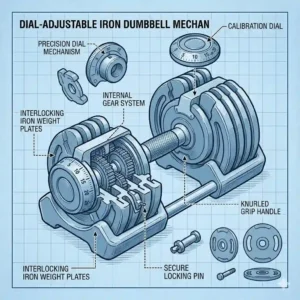
The only recurring cost with bare metal is maintenance. A $5 bottle of 3-in-1 oil and a $3 wire brush will last you five years. Compare this to adjustable dial-systems with plastic internal gears. If one plastic gear snaps after the 1-year warranty expires, the entire $300 unit becomes an expensive paperweight. From a financial perspective, investing in solid, single-piece metal is the only way to completely insulate yourself against planned obsolescence in the fitness industry.
🔍 Features That Actually Matter (And Those That Don’t)
Marketing departments love to invent new terms to sell heavy metal. Let’s filter the hype based on actual biomechanical science.
What Actually Matters:
-
Handle Shape: An ergonomic taper (thicker in the middle, thinner at the edges) directly maps to the natural curve of the human grip, reducing tennis elbow flare-ups.
-
Single-Piece Casting: A weight poured into a single mold is infinitely stronger than a weighted head bolted onto a steel shaft.
-
Flat Hex Edges: Being able to do renegade rows without the weight rolling out from under your wrists is a massive safety and functional benefit.
What Doesn’t Matter at All:
-
“Odor-Free” Claims on Iron: Bare metal doesn’t have an odor; it’s the oil on your hands reacting with the metal.
-
Laser-Etched Logos: They look great on Instagram, but they collect chalk dust and require more cleaning without adding any functional benefit.
-
Color-Coded Weights: Unless you are running a fast-paced commercial bootcamp where 30 people need to grab weights instantly, taking two seconds to read a white painted number on a black weight is perfectly fine for a home gym.
🛡️ Safety and Flooring Compliance Guide
Operating heavy equipment at home requires infrastructure planning. According to studies on bone density and resistance training from the Mayo Clinic, lifting heavy is fantastic for your skeleton, but dropping those weights is terrible for your home’s foundation.
If you are lifting above the ground floor, you must calculate dead-load capacities. A standard residential floor is rated for about 40 pounds per square foot of live load. Racking 500 lbs of iron in a concentrated 2×2 foot area can cause structural joist deflection over time. Always distribute weight racks across multiple floor joists (usually spaced 16 inches apart) and place them against load-bearing walls.
For flooring protection, thin yoga mats will do nothing against a dropped 40-pound weight. You need high-density vulcanized rubber. I recommend a minimum thickness of 8mm (ideally 15mm or 3/4 inch) to properly absorb the kinetic energy of a falling object. This protects the concrete from cracking and prevents the cast iron from fracturing along invisible stress lines.
✨ Don’t Miss These Exclusive Deals!
🔍 Ready to upgrade your home setup? Click on any highlighted item to check current pricing and availability. These tools will help you create authentic, lasting results!
🏁 Conclusion
Building a home gym is an exercise in prioritizing durability over novelty. While the fitness tech world continues to push subscriptions and screens, the profound simplicity and biological effectiveness of iron dumbbells remain undisputed. They do not require a software update, they do not need to be plugged in, and they will never charge you a monthly fee to access your own strength.
By analyzing the metallurgical properties, handle ergonomics, and practical maintenance requirements, you can select a set that will quite literally outlive you. Whether you opt for the classic ruggedness of the CAP Barbell or the space-saving brilliance of the PowerBlock adjustable system, the key is consistent mechanical tension. Make your choice based on your specific flooring situation, your budget, and your physical space, and get to work building the strongest version of yourself.
❓ FAQs
❓ What is the best weight for a beginner using iron dumbbells?
✅ For women, starting with pairs of 5, 10, and 15 lbs is ideal. For men, 10, 20, and 30 lbs offer a solid foundation. This allows for progressive overload across different muscle groups without forcing immediate plateaus…
❓ Do iron dumbbells rust over time?
✅ Yes, bare or chipped iron will oxidize when exposed to moisture. However, routine maintenance with a wire brush and a light coat of machine oil every few months will prevent rust and ensure they last a lifetime…
❓ Are hex iron dumbbells better than round ones?
✅ Hexagonal designs are vastly superior for home gyms because they do not roll away on uneven floors. They also provide a stable, flat base for bodyweight exercises like push-ups and renegade rows…
❓ How accurate is the weight on cast iron dumbbells?
✅ High-quality cast iron is usually accurate within 2-3% of the stated weight. Cheaper, unbranded models can vary by up to 10% due to air pockets during the casting process, leading to asymmetrical lifting…
❓ Can I drop cast iron weights on concrete?
✅ You should never intentionally drop bare iron on bare concrete. The impact can chip the concrete and potentially crack the iron’s enamel coating. Always use thick rubber flooring or bumper mats if dropping is inevitable…
📚 Recommended for You
- 5 Best 90 pound dumbbells for 2026: Get Massive Gains Now
- 60 lbs dumbbells: 5 Best Heavy Weights for Maximum Gains (2026 Review)
- 5 Best Cast Iron Dumbbells to Build Real Muscle in 2026 (Expert Tested)
Disclaimer: This article contains affiliate links. As an Amazon Associate, I earn from qualifying purchases. If you purchase products through these links, we may earn a small commission at no additional cost to you.
✨ Found this helpful? Share it with your friends! 💬🤗
[addtoany]
