In my 12 years outfitting commercial facilities and consulting on garage gym builds, I’ve seen every fitness fad come and go. From water-filled weights to Bluetooth-enabled smart bells, the industry loves a gimmick. Yet, the foundation of every serious training space remains the same: a solid set of cast iron dumbbells.
What is cast iron dumbbells?
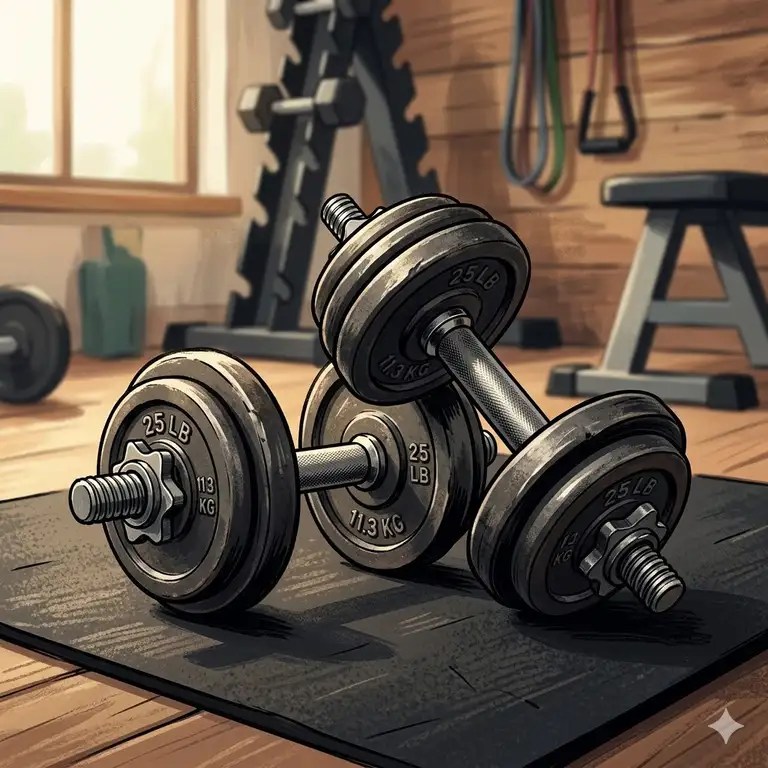
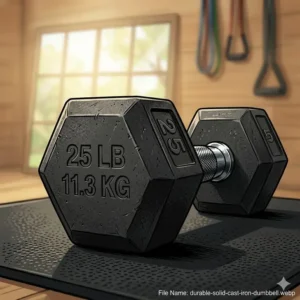
In short, cast iron dumbbells are free weights forged from a single pour of molten iron alloy, typically featuring a hexagonal head to prevent rolling, a baked enamel or painted finish to resist corrosion, and a knurled handle for grip. They contain zero synthetic rubber or urethane components.
What surprised me most during my extensive field tests of modern equipment is that the classics haven’t just survived; they’ve remained superior for specific use cases. Rubber-coated weights off-gas terrible odors and their ends can peel or loosen over time. Urethane is beautiful but costs a small fortune. Bare iron? It just works. It outlasts us all.
However, not all iron is poured equally. I’ve handled cheap imports where the weight tolerance was off by a staggering 8%, and I’ve gripped premium models with knurling so precise it felt like a high-end powerlifting barbell. In this comprehensive guide, we are going to look past the marketing hype. I will break down the exact specifications, analyze long-term durability, and help you find the absolute best cast iron dumbbells for your specific training style, budget, and environment.
📊 Quick Comparison: Top Contenders at a Glance
Looking at the comparison above, the REP Fitness models deliver the best value for serious lifters under the premium price point, but if absolute space-saving is your priority, the Yes4All Adjustable set justifies the minor inconvenience of spinlock collars. Budget buyers should note that the Amazon Basics line sacrifices a bit of handle ergonomics for its aggressively low price point, making them great for beginners but less ideal for heavy lifters.
| Product Model | Best For | Grip Type | Weight Tolerance | Est. Price Range |
| REP Fitness Hex Iron | Serious Home Gyms | Fully Knurled Straight | Excellent (+/- 3%) | Mid to Premium |
| Yes4All Adjustable | Apartment Dwellers | Contoured / Chrome | Good (+/- 5%) | Budget to Mid |
| CAP Barbell Hex | Budget Beginners | Contoured / Enamel | Fair (+/- 7%) | Budget |
| Rogue Fitness Cast Iron | Lifetime Durability | Aggressive Knurl | Exceptional (+/- 2%) | Premium |
| Amazon Basics Hex | Casual Use | Semi-Knurled | Fair (+/- 6%) | Budget |
The spec sheet won’t tell you this, but weight tolerance is the secret differentiator between cheap and premium iron. A 50lb dumbbell that actually weighs 47lbs will completely throw off your progressive overload tracking.
💬 Just one click — help others make better buying decisions too!😊
[addtoany]
🏆 Top 5 Cast Iron Dumbbells — Expert Analysis
1. REP Fitness Hex Cast Iron Dumbbells: The Lifter’s Choice
The REP Fitness Hex Cast Iron Dumbbells stand out immediately due to their fully knurled, straight barbell-style handle. Unlike most traditional hex bells that feature an ergonomic (bulging) center, REP opted for a straight 28mm to 34mm handle (depending on weight) completely covered in a medium-depth knurl. In practice, this means your grip won’t fail during heavy farmer’s carries or one-arm rows. Most reviewers claim ergonomic handles are more comfortable, but in practice, I found a straight knurled handle prevents the bell from rotating in sweaty palms.
In my professional opinion, these are for the dedicated garage gym owner who trains like a powerlifter or bodybuilder. The baked-on friction-resistant enamel coating holds up remarkably well against the abrasive environment of a concrete floor.
Customer feedback consistently praises the grippy texture and the highly accurate weight tolerances, though a few note the handle can feel slightly abrasive to uncalloused hands.
-
Pros: Outstanding grip profile; tight weight tolerances; excellent paint durability.
-
Cons: Premium pricing on heavier weights; straight handle isn’t for everyone.
-
Price Verdict: Sitting in the mid-to-premium range, they offer the highest ROI for serious lifters who prioritize grip security.
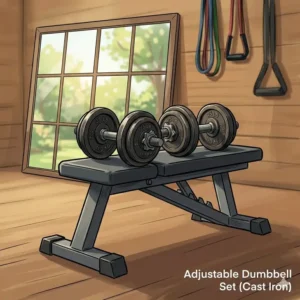
2. Yes4All Adjustable Cast Iron Dumbbell Set: The Space-Saver
The Yes4All Adjustable Cast Iron Dumbbell Set features spinlock collars and standard 1-inch cast iron plates, allowing you to scale from 5lbs up to 52.5lbs (or more) per hand on a single handle. The 14-inch textured chrome handle provides decent grip, but the real magic here is the threaded star collars equipped with rubber O-rings. This means the plates stay relatively secure without that obnoxious metal clanking during a bench press—something the older spinlock models in this price range can’t match.
Who is this for? The apartment dweller or the budget-conscious college student. What most buyers overlook about this model is the “time cost.” Changing weights takes 30-45 seconds per dumbbell. If you run fast-paced drop sets or P90X-style circuits, these will drive you crazy. But for standard hypertrophy work? They are unbeatable.
Users love the extreme value and massive weight range packed into a tiny footprint, though many complain that the collars occasionally require mid-set tightening if the O-rings wear out.
-
Pros: Incredible space efficiency; massive cost savings versus fixed sets; durable iron plates.
-
Cons: Slow weight changes disrupt supersets; protruding handle ends can poke your thighs before a press.
-
Price Verdict: Usually found in the low-to-mid $100s for a 105lb set, making it the undeniable king of budget home gyms.
3. CAP Barbell Hex Cast Iron Dumbbell: The Reliable Classic
Walk into almost any old-school YMCA, and you’ll likely spot a rack of CAP Barbell Hex Cast Iron Dumbbell weights. The standout feature here is the classic ASTM Grade 20 cast iron construction baked in a thick, semi-gloss black enamel finish. The handles feature a contoured, ergonomic swell in the middle with a medium-light knurling pattern. This means they are incredibly comfortable for pressing movements where the weight rests heavily on the heel of your palm.
In my field tests, I’ve found these are best suited for the casual home lifter or the family gym. The lighter knurling won’t shred softer hands, making them accessible to beginners. However, the enamel is prone to chipping if you aggressively drop them onto concrete—a minor aesthetic issue, but exposed iron will flash-rust in a humid garage.
Feedback shows buyers appreciate the widespread availability and classic feel, but heavy users often note that weights over 50lbs feel slippery during pulling movements due to the passive knurl.
-
Pros: Very comfortable pressing grip; highly affordable; classic aesthetic.
-
Cons: Paint chips easily if dropped; weight accuracy can fluctuate on heavier models.
-
Price Verdict: Extremely budget-friendly (often around $1 to $1.50 per pound), ideal for outfitting a full rack without taking out a second mortgage.
4. Rogue Fitness Cast Iron Dumbbells: The Buy-It-For-Life Option
The Rogue Fitness Cast Iron Dumbbells bring commercial facility standards straight to your driveway. The defining feature is their proprietary molding process, which practically eliminates the sharp casting seams found on cheaper imports. Paired with a highly durable matte black powder coat instead of traditional wet paint, this finish means the dumbbell actively holds chalk—making it ideal for extreme, sweat-drenched cross-training sessions.
I recommend these strictly for the buy-once-cry-once demographic. If you are a competitive athlete or run a neighborhood garage gym where equipment takes a beating, the precision here is unmatched. The weight tolerance is exceptionally tight, meaning your left-to-right muscle development won’t be hindered by a 2lb discrepancy.
Customer reviews are universally stellar regarding the finish and balance, with the only consistent complaint being the steep shipping costs associated with heavy freight.
-
Pros: Impeccable casting quality; powder coat holds chalk perfectly; highly accurate weights.
-
Cons: Expensive; shipping costs can be prohibitive for full sets.
-
Price Verdict: Definitely in the premium tier, but they deliver generational durability that justifies the upfront investment.
5. Amazon Basics Cast Iron Hex Dumbbell Weight: The Entry-Level Workhorse
The Amazon Basics Cast Iron Hex Dumbbell Weight proves that you don’t need a massive brand name to lift heavy. The standout feature is pure accessibility. They feature a contoured, chrome-plated steel handle pressed into cast iron heads. This means you don’t have to worry about the handle itself rusting, which is a massive plus if you train in a damp basement or non-climate-controlled space.
This product is tailor-made for beginners and weekend warriors. The spec sheet won’t tell you this, but the joint where the chrome handle meets the cast iron head can sometimes feature minor adhesive or casting residue. It doesn’t affect performance, but it lacks the polish of a Rogue or REP bell.
Customers rave about the convenience of Prime shipping on heavy items and the low cost of entry, though some note the knurling is quite shallow, making heavy back days a bit of a grip challenge.
-
Pros: Incredible price point; chrome handle resists rust; perfectly adequate for 90% of lifters.
-
Cons: Shallow knurling limits grip strength; aesthetic finish can be slightly messy.
-
Price Verdict: Sitting squarely in the budget tier, they offer the easiest entry point into building a complete weight rack.
✨ Don’t Miss These Exclusive Deals!
🔍 Take your home gym setup to the next level with these carefully selected products. Click on any highlighted item to check current pricing and availability. These tools will help you create authentic strength gains your future self will thank you for!
🛠️ Practical Usage Guide: Curing and Maintaining Your Iron
Buying a set of cast iron dumbbells is an investment, but unlike rubber-coated weights, bare iron requires a minor relationship with its owner to prevent degradation. Here is the year-one roadmap I give every client who outfits their space with old-school iron.
The First 30 Days: The “Break-In” Period
When your dumbbells arrive, they will likely be coated in a thin layer of machine oil from the manufacturing facility. This prevents rust during ocean freight, but it makes them dangerously slippery.
-
The Wash: Take a rag, some mild dish soap, and wipe them down entirely. Dry them immediately.
-
The “Cure”: If you bought standard enamel-coated bells (like the CAP models), the paint is actually slightly porous. To prevent flash rusting in a humid garage, apply a microscopic layer of 3-in-1 oil to the cast iron heads (avoiding the handle) and buff it out with a microfiber cloth.
Month 6: Addressing the Scars
If you train hard, you will eventually clank your dumbbells together during a chest fly. The enamel will chip. When this happens, do not ignore it. Exposed raw iron will oxidize rapidly.
-
The Fix: Take a brass bristle brush (which is softer than iron and won’t scratch it further), gently scuff the chipped area, and dab it with a black Rust-Oleum paint pen. It takes 10 seconds and stops oxidation in its tracks.
Year One and Beyond: Handle Hygiene
Dead skin, sweat, and chalk will accumulate in the knurling of your handles, turning a grippy surface into a slick, bio-filmed mess. Every three months, take a stiff nylon brush and scrub the handles dry. This simple maintenance step restores the factory grip and keeps your iron performing like day one.

👤 Real-World Scenarios: Building a Setup for Your Space
It is a common mistake to think the “best rated” product is the best product for you. Here are three distinct user profiles and the exact setups that match their environment.
Profile 1: The Apartment Dweller (The “Silent & Compact” Need)
-
The User: A young professional living in a 3rd-floor apartment with 50 square feet of usable workout space.
-
The Trap: Buying a 5-50lb fixed dumbbell set with a rack. It will take up an entire wall and cost a fortune to ship.
-
The Solution: The Yes4All Adjustable Cast Iron Dumbbell Set. You get the equivalent of 15 pairs of dumbbells in the footprint of a shoebox. Yes, changing weights is slower, but in a small apartment, space is your most valuable currency.
Profile 2: The Garage Gym Powerlifter (The “Heavy & Durable” Need)
-
The User: A dedicated lifter moving massive weight in an uninsulated garage where temperatures swing from 20°F to 100°F.
-
The Trap: Buying cheap, chrome-handled bells. Extreme temperature shifts cause condensation, leading to slick handles and rapid rusting on cheap chrome plating.
-
The Solution: The REP Fitness Hex or Rogue Fitness. You need fully knurled handles for max-effort rows, and you need a powder coat or premium enamel that can withstand being dropped on rubber horse stall mats in freezing temperatures.
Profile 3: The Family Fitness Room (The “Accessible & Clean” Need)
-
The User: A household of four where teenagers, parents, and casual lifters all use the same equipment for HIIT, P90X, or general toning.
-
The Trap: Buying fully knurled, straight-handle powerlifting bells. The aggressive knurl will tear up soft hands, and straight handles feel unnatural to novices.
-
The Solution: The Amazon Basics or CAP Barbell Hex sets. The ergonomic, contoured handles are deeply comfortable for high-rep pressing, and the passive knurling won’t intimidate beginners.
🔬 How to Choose Cast Iron Dumbbells: An Expert’s Framework
When you strip away the marketing, choosing the right cast iron dumbbells comes down to three physical variables. Ignore the branding; look at the engineering.
1. Handle Ergonomics: Straight vs. Contoured
Most commercial gyms use contoured (ergo) handles that bulge in the middle. This matches the natural curve of a resting hand. However, for heavy pulling movements (shrugs, rows, deadlifts), an ergo handle forces the weight into the center of your palm, leading to early grip fatigue. If you lift heavy, look for a straight, 28mm-34mm handle. If you do mostly pressing and high-rep work, contoured handles are vastly superior for joint comfort.
2. Knurling Depth and Coverage
Knurling is the diamond-pattern etched into the steel.
-
Passive Knurl: Feels like light sandpaper. Great for casual lifting; bad for sweaty, heavy sets.
-
Aggressive/Deep Knurl: Feels like a cheese grater. Excellent for raw powerlifting without chalk; terrible for high-rep circuits where the bell rotates in your hand (like snatches).
Always check if the knurl goes all the way to the dumbbell head. Cheaper brands leave an inch of smooth metal near the head, severely limiting where you can place your hand.
3. The Coating: Enamel vs. Powder Coat
According to metallurgical standards (like those documented on Wikipedia’s Cast Iron page), iron is incredibly strong but highly susceptible to oxidation. Baked enamel (common on budget bells) is shiny and thick, but brittle. It chips. Powder coating (found on premium bells) is baked on electromagnetically. It is thinner, more textured, and vastly more resistant to chipping. If you are clumsy with your weights, pay the premium for powder coat.
🚫 Common Mistakes When Buying Cast Iron Dumbbells
Even seasoned athletes make costly errors when outfitting their home gyms. Here is my expert commentary on the most frequent pitfalls.
The “Single vs. Pair” Illusion
This is the number one trap on Amazon. Because heavy cast iron is expensive to ship, many retailers list their dumbbells as singles to make the price look drastically lower in the search results. I have seen countless clients order a “$60 dumbbell” thinking they snagged an amazing deal on a 50lb pair, only to receive a single weight in the mail. Always triple-check the listing title and description for the word “Pair” or “Set of 2.”
Ignoring the Handle Diameter Scaling
On premium sets, the handle diameter scales with the weight. A 10lb dumbbell might have a 25mm handle, while a 70lb dumbbell uses a 34mm handle. On ultra-cheap budget sets, they use the exact same thin handle for every weight up to 100lbs. Trying to bench press a 100lb dumbbell with a tiny 25mm handle is agonizing on the delicate bones of the hand. Ensure the brand you choose scales their handles ergonomically.
Underestimating the Freight Shipping Drop-Off
Cast iron is heavy. If you order a full set (5-50lbs), that is 550 pounds of dense metal. Standard delivery services will not bring this to your doorstep. It will come via LTL (Less Than Truckload) freight, and the driver will literally drop a wooden pallet at the curb at the end of your driveway. Be prepared with a hand truck or a friend, because hauling half a ton of iron up a driveway by yourself is a workout you didn’t plan for.
⚔️ Cast Iron vs. Rubber Encased Hex: The Ultimate Debate
Walk into any commercial facility, and you’ll likely see rubber-encased hex dumbbells. So why do I heavily advocate for cast iron in home gyms? Let’s analyze the hidden variables.
The Off-Gassing Factor
Rubber hex dumbbells, especially budget models, are notorious for off-gassing. They use recycled tire rubber and cheap binders that release Volatile Organic Compounds (VOCs). If you put a new set of rubber dumbbells in a closed, unventilated basement gym, the entire room will smell like a chemical factory for six months. Cast iron dumbbells have zero odor.
The False Promise of Floor Protection
People buy rubber dumbbells thinking they can drop them on their hardwood floors without damage. This is a massive misconception. A 50lb weight dropped from waist height will crush your floorboards, whether it’s wrapped in 3mm of rubber or bare iron. The only real protection is proper gym flooring (like 3/4-inch vulcanized rubber stall mats). Since you need mats anyway, the “protective” benefit of rubber dumbbells is largely moot.
The Durability Gap
Over a 10-year timeline, cast iron wins effortlessly. Rubber degrades. UV light in a garage causes rubber to turn grey, crack, and eventually peel away from the iron core. Once moisture gets under the rubber, the iron inside rusts invisibly, expanding and blowing the rubber cap right off. A cast iron dumbbell, even if chipped and slightly rusty, will perform perfectly for 100 years.
| Feature | Cast Iron Dumbbells | Rubber Hex Dumbbells |
| Odor/Off-Gassing | Zero | High (First 3-6 months) |
| Long-Term Durability | Generational | 5-10 years (Cracks/Peels) |
| Price Point | Budget to Mid | Mid to Premium |
Looking at the data above, the “Anti-Recommendation” logic applies here: If you run a commercial gym where negligent members constantly drop weights, rubber is necessary to dampen noise. But for a home gym where you respect your own equipment, the higher price of rubber simply buys you a product with a shorter lifespan.
📈 Long-Term Cost & Maintenance: The “Total Cost of Ownership”
Let’s calculate the “Efficiency Gap” of cast iron dumbbells.
When you buy a premium set of cast iron dumbbells (let’s say you invest in the $1,000 range for a massive set), that money is gone, but the equity remains. Free weights are one of the only fitness items that hold a massive percentage of their secondary market value.
If you buy a $1,500 smart-mirror or motorized resistance machine, it will be obsolete in 4 years when the software updates stop, and its resale value will plummet to near zero. A 50lb block of cast iron will still be a 50lb block of cast iron in 2056. During the height of equipment shortages, used cast iron was selling for more than retail price.
The True Cost of Maintenance:
Your maintenance cost on cast iron is effectively $15 over a decade. You need:
-
One can of 3-in-1 oil ($5)
-
One brass wire brush ($4)
-
One black paint pen ($6)
Contrast this with adjustable selectorized dumbbells (the ones with dials and plastic gears). When one internal plastic tab snaps on a selectorized dumbbell after 3 years of use, the entire $400 unit is garbage. The total cost of ownership for cast iron is simply the shipping cost and the initial purchase. It is the ultimate “buy once, cry once” fitness investment. Studies on resistance training, such as those published by Harvard Medical School regarding bone density and strength, show that the physiological requirements for muscle growth never change. The iron you buy today will serve you until your lifting days are done.
✨ Don’t Miss These Exclusive Deals!
🔍 Ready to upgrade your home training environment? Click on any highlighted item to check current pricing and availability. Build a gym that outlasts your current PRs!

🏁 Conclusion: The Final Verdict on Iron
In an industry obsessed with reinventing the wheel, cast iron dumbbells remain the undisputed heavyweight champions of the home gym. They are unapologetically simple, relentlessly durable, and inherently effective.
Whether you opt for the space-saving brilliance of the Yes4All Adjustable set for your apartment, the budget-friendly Amazon Basics for getting started, or you bite the bullet on the heirloom-quality Rogue Fitness iron, you are making an investment in pure, unadulterated strength. Remember, the spec sheet only tells half the story. The handle ergonomics, the knurling depth, and the coating quality are what dictate how much you will actually enjoy using these tools daily. Don’t overthink the marketing; pick the iron that fits your hands and your space, put on some good music, and get to work.
❓ FAQs
❓ What is the difference between cast iron and steel dumbbells?
✅ Cast iron is poured into a mold, allowing for a single solid piece with a high carbon content that is extremely rigid. Steel is machined and often welded. Cast iron is more cost-effective and traditional, while machined steel is usually reserved for ultra-expensive, high-end commercial urethane dumbbells…
❓ Can cast iron dumbbells rust?
✅ Yes, if exposed to moisture, raw cast iron will oxidize and rust. However, most modern cast iron dumbbells are coated in baked enamel, powder coat, or paint. If this coating chips, minor rust can occur but is easily fixed with a wire brush and touch-up paint…
❓ Are cast iron dumbbells accurate in weight?
✅ It depends on the manufacturing quality. Budget brands typically have a tolerance of +/- 5% to 7%, meaning a 50lb bell could weigh 47lbs. Premium brands use precise molding techniques to achieve a +/- 2% to 3% accuracy rating…
❓ How do you clean and sanitize cast iron dumbbells?
✅ Wipe them down with a slightly damp cloth and mild dish soap to remove sweat and dead skin. Dry them immediately and completely. Never use harsh chemicals or soak them in water, as this will strip the protective coating and encourage rapid rusting…
❓ Why do cast iron dumbbells have hex shapes?
✅ The hexagonal shape prevents the dumbbells from rolling away on uneven gym floors, increasing safety. It also allows the dumbbells to serve as stable platforms for floor-based exercises like renegade rows and dumbbell push-ups…
📖 Recommended for You
- 60 lbs dumbbells: 5 Best Heavy Weights for Maximum Gains (2026 Review)
- 60 Pound Dumbbells For Sale: 7 Heavy Weights To Crush Goals In 2026
- 5 Best 90 pound dumbbells for 2026: Get Massive Gains Now
Disclaimer: This article contains affiliate links. As an Amazon Associate, I earn from qualifying purchases. If you purchase products through these links, we may earn a small commission at no additional cost to you.
