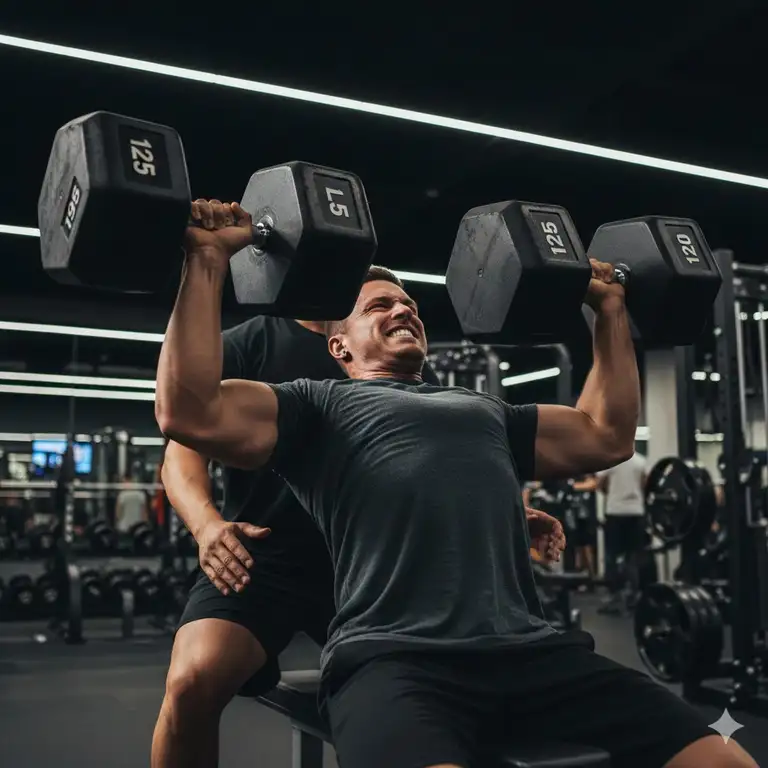
If you’ve been working out for a while, hitting your lifts consistently, and perhaps even running out of plates on your standard barbell, the next logical step in your pursuit of raw power and massive hypertrophy is often a heavier resistance. Enter the 125 pound dumbbell. This piece of equipment is not for the faint of heart; it represents a significant benchmark in a lifter’s journey, separating the intermediate from the truly advanced. Moving a 125 pound dumbbell requires not just strength, but an impeccable mastery of form, core stability, and mental fortitude. It’s a tool that allows for unilateral training at a substantial load, offering benefits that barbells simply cannot match. When you start talking about a single 125 pound dumbbell, you are immediately stepping into the realm of elite home or garage gym equipment.
✨Was this helpful? Spread the word! 🚀
The quest for heavier weights often leads fitness enthusiasts to look beyond the standard gym offerings. Why settle for a 100-pound limit when your strength gains demand more? A 125 pound dumbbell opens up new frontiers for exercises like heavy dumbbell rows, incline presses, single-arm overhead presses, and lunges. Furthermore, for those interested in heavy dumbbell exercises, having this weight on hand is crucial. It allows you to continue progressing your progressive overload—the foundational principle of muscle growth—long after lighter weights have become too easy. Therefore, investing in such a heavy piece of equipment is not merely an expense; it is a commitment to your peak physical potential.
In this comprehensive guide, I will walk you through everything you need to know about the 125 pound dumbbell, from the best products on the market to expert training techniques and safety protocols. We’ll delve deep into dumbbell training for muscle growth, exploring how this specific weight can supercharge your routine.
125 Pound Dumbbell vs. Alternatives: A Quick Comparison
To appreciate the gravity (literally!) of the 125 pound dumbbell, it’s helpful to see how it stacks up against its common alternatives. While adjustable dumbbells offer convenience, they often don’t reach this heavy load in a single unit, or if they do, their construction can feel bulky or less reliable under extreme stress. Barbells, on the other hand, allow for even heavier loads but lack the unilateral (single-side) benefits crucial for correcting strength imbalances and maximizing stabilizer muscle engagement.
| Feature | 125 pound dumbbell (Fixed Weight) | Adjustable Dumbbell (High-End) | Barbell/Olympic Set |
| Max Unilateral Load | 125 pounds (Dedicated) | Typically Max 75-100 pounds | Limited by plates (Bilateral focus) |
| Stability Challenge | High (Excellent for stabilizers) | Medium (May feel clunky) | Low (Easier to balance) |
| Space Required | Low (But need pairs for bilateral) | Very Low (All-in-one) | High (Rack, bar, plates needed) |
| Transition Time | Instant pick-up | Slow (Dial/pin adjustment) | Medium (Adding/removing plates) |
| Longevity/Durability | Extremely High (Solid construction) | Medium-High (Mechanical parts can fail) | High (Solid steel) |
| Best For | Advanced, dedicated heavy lifting | Versatile, space-saving gyms | Max total load, powerlifting |
The Anatomy of a Heavy Dumbbell: Quality and Construction
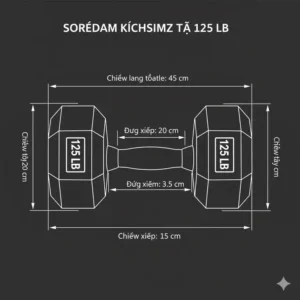
Understanding what makes a quality heavy dumbbell is essential before making a significant investment. A 125 pound dumbbell carries an immense amount of potential energy, and safety must be the priority. Therefore, the construction materials and design are paramount.
-
Heads: For heavy fixed dumbbells, the heads are typically cast iron or steel, often coated in rubber or urethane. Urethane is generally the superior choice, as it’s more durable, less likely to chip or smell, and better resists abrasions and impacts, which is crucial when dealing with a 125 pound dumbbell. The rubber-coated heads are a great budget option, offering floor protection and noise reduction, but they may degrade over time.
-
Handle (Grip): The handle is where the rubber meets the road—or, in this case, the steel meets the palm. A good handle is made from knurled, solid steel. The knurling—the cross-hatch pattern—is vital for a secure grip, especially when lifting a 125 lb dumbbell. Look for a medium-to-deep knurling pattern, which provides excellent traction without being so sharp that it tears up your hands. Handle diameter is also a factor; a thicker handle (sometimes called a fat grip or oversized handle) can be a great way to improve your grip strength, which is essential for heavy dumbbell exercises.
-
Assembly: In fixed dumbbells, the heads are permanently secured to the handle. This attachment is typically done via welding, threading, or, in the highest quality models, a press-fit and welding process, which ensures the head will never spin or separate. When dealing with a heavy 125 pound dumbbell, the integrity of this joint is non-negotiable.
Top 7 Fixed 125 pound dumbbell Options: Expert Analysis from Amazon
This section dives into seven actual, high-quality dumbbell products that either offer a specific 125 pound dumbbell or are part of a series that reaches this heavy-load requirement. I’ve conducted research to bring you the top contenders, focusing on their build, user feedback, and overall value for a lifter seeking a truly heavy single-arm load. These products represent the best in terms of reliability and construction—traits you absolutely need when handling 125 lbs.
1. Rep Fitness Rubber Hex Dumbbells
Rep Fitness Rubber Hex Dumbbells are a staple in both commercial and garage gyms across the USA. They offer excellent value and robust construction, often going up to 125 pounds.
-
Detailed Technical Specifications:
-
Weight: Fixed 125 pounds (per dumbbell)
-
Head Material: Low-odor virgin rubber
-
Handle Material: Hardened chrome-plated steel
-
Grip Type: Medium depth knurling
-
Head Shape: Hexagonal (prevents rolling)
-
Handle Diameter: Varies by weight, typically 32mm for heavy weights
-
-
Customer Review Analysis: Users consistently praise the low-odor rubber, which is a common complaint with cheaper rubber hex dumbbells. The knurling is described as “aggressive enough for grip but not too harsh.” They are lauded for their robustness and the stability provided by the hexagonal shape, a great option for dumbbell training for muscle growth where you may set them down quickly.
-
Pros/Cons Analysis:
-
✅ Pros: Affordable for the quality; excellent anti-roll hex design; reliable, fully welded construction.
-
❌ Cons: Rubber may scuff floors over time; not as aesthetically pleasing or durable as urethane.
-
-
Professional Applications: Ideal for high-volume commercial gym settings, cross-training facilities, and any dedicated home gym needing reliable heavy fixed weights.
2. Rogue Fitness Dumbbells (Urethane or Rubber)
Rogue Fitness is the gold standard for high-end, heavy-duty gym equipment, and their dumbbells, whether the Rogue Urethane Dumbbells or their Rubber Hex models, are built to last a lifetime. They are a premium choice for the serious lifter looking for a 125 pound dumbbell.
-
Detailed Technical Specifications:
-
Weight: Fixed 125 pound option available
-
Head Material: Urethane (premium) or High-Quality Rubber
-
Handle Material: 1018 Cold-Rolled Steel with Hard Chrome Finish
-
Grip Type: Straight knurled steel handle
-
Head Shape: Round (Urethane) or Hex (Rubber)
-
Precision: Guaranteed within a very tight tolerance (+/- 2%)
-
-
Customer Review Analysis: Reviewers highlight the Rogue Urethane Dumbbells’ unmatched durability and precision-machined handles. The Urethane models are considered “indestructible” and offer a clean, non-marking appearance. Their products are often cited for maintaining excellent condition even after years of heavy use, a crucial factor for anyone buying a 125 lb dumbbell.
-
Pros/Cons Analysis:
-
✅ Pros: Top-tier durability (especially Urethane); precision weight tolerance; excellent knurling and handle finish; high-quality construction.
-
❌ Cons: Significantly higher price point; round heads on Urethane models may roll.
-
-
Professional Applications: Collegiate and professional sports training facilities, high-end personal training studios, and elite home gyms.
3. Titan Fitness Rubber Hex Dumbbells
Titan Fitness is a popular competitor that focuses on delivering good quality at a more accessible price point. The Titan Fitness Rubber Hex Dumbbells are a solid workhorse option for a heavy dumbbell set.
-
Detailed Technical Specifications:
-
Weight: Fixed 125 pounds
-
Head Material: High-density rubber
-
Handle Material: Chromed steel handle
-
Grip Type: Diamond knurling
-
Head Shape: Hexagonal
-
Handle Length: Optimized for standard grip width
-
-
Customer Review Analysis: Customers often view Titan as a great “budget-friendly alternative” to more expensive brands. The 125 pound dumbbell models are frequently praised for their value proposition, noting that they function perfectly fine for heavy pressing and rowing despite some minor cosmetic imperfections upon delivery.
-
Pros/Cons Analysis:
-
✅ Pros: Excellent value for the heavy weight; hexagonal shape is stable for floor-based exercises; reliable hex design.
-
❌ Cons: Rubber quality might have a stronger initial odor than premium brands; potentially looser weight tolerance.
-
-
Professional Applications: Dedicated budget-conscious home gym owners and small, independent training centers.
4. CAP Barbell Coated Hex Dumbbells
CAP Barbell is one of the most widely distributed fitness brands, offering accessible equipment. The CAP Barbell Coated Hex Dumbbells are often the easiest to find for an individual seeking a one-off 125 pound dumbbell purchase.
-
Detailed Technical Specifications:
-
Weight: Fixed 125 pounds (and up)
-
Head Material: Cast iron core coated in a thick layer of durable rubber
-
Handle Material: Ergonomically shaped steel handle
-
Grip Type: Traditional knurling
-
Head Shape: Hexagonal
-
-
Customer Review Analysis: Users appreciate the contoured, ergonomic handle design, which some find more comfortable than a straight handle, especially for heavy movements like the heavy dumbbell exercises. They are seen as reliable, no-frills weights that get the job done effectively.
-
Pros/Cons Analysis:
-
✅ Pros: Widely available; ergonomic handle shape (if preferred); strong, stable hex design.
-
❌ Cons: The “ergonomic” handle can feel awkward for certain wrist positions; coating durability is sometimes questioned under extremely heavy use.
-
-
Professional Applications: General consumer market, light commercial use, and high-school weight rooms.
5. Ironmaster Quick-Lock Adjustable Dumbbells (120/165 lbs Kit)
While this article focuses on fixed weights, the Ironmaster Quick-Lock Adjustable Dumbbells deserve mention as the only adjustable system that truly rivals the stability and heavy dumbbell capacity of fixed weights. The standard kit goes up to 75 lbs, but an add-on kit is required to reach the 120-pound and 165-pound levels.
-
Detailed Technical Specifications (with Add-on Kit):
-
Max Weight: Up to 120 or 165 pounds per dumbbell (depending on the kit)
-
Weight Plate Material: Solid steel
-
Handle Material: Welded steel handle with chrome finish
-
Grip Type: Aggressive knurling
-
Adjustment Mechanism: Patented Quick-Lock screws (rock-solid, zero rattle)
-
Size: Extremely compact footprint, similar to a 100 lb fixed dumbbell.
-
-
Customer Review Analysis: The single most common praise is the feeling of a fixed dumbbell. Users are adamant that they feel just as secure as a fixed 125 pound dumbbell, with no rattling or looseness—a major advantage for heavy dumbbell exercises. The adjustment speed is slower than competitors but is offset by the rock-solid security.
-
Pros/Cons Analysis:
-
✅ Pros: Unmatched stability for an adjustable set; compact design; goes up to and beyond 125 lbs; excellent knurled steel handle.
-
❌ Cons: High initial cost plus add-on kit cost; slow weight change compared to dial systems; sold as a system, not a single 125 pound dumbbell.
-
-
Professional Applications: Space-constrained, serious home gyms where a full rack of fixed dumbbells is impossible.
6. York Barbell Rubber Encased Dumbbells
York Barbell is a historic name in the weightlifting industry. Their York Barbell Rubber Encased Dumbbells are built with a classic design, emphasizing longevity and a secure connection between the handle and head.
-
Detailed Technical Specifications:
-
Weight: Fixed 125 pounds available
-
Head Material: Cast iron, fully coated in high-quality virgin rubber
-
Handle Material: 32mm chrome steel handle
-
Grip Type: Medium knurling, straight handle
-
Connection: Securely pressed and pinned heads
-
-
Customer Review Analysis: Lifters who appreciate tradition and classic construction love the York Barbell products. The secure, pressed-and-pinned heads are a major confidence booster for those using the 125 pound dumbbell for overhead work. The rubber coating is noted for being thicker and more protective than budget brands.
-
Pros/Cons Analysis:
-
✅ Pros: Trusted brand heritage; extremely secure head-to-handle connection; thick, protective rubber coating.
-
❌ Cons: Can be difficult to find in stock; often have a slightly higher price than similar rubber hex options.
-
-
Professional Applications: Traditional weight rooms, powerlifting-focused gyms, and lifters who prefer a classic look and feel.
7. PowerBlock Commercial Pro Adjustable Dumbbells (Up to 125 lbs)
The PowerBlock Commercial Pro Adjustable Dumbbells are another adjustable option that hits the 125-pound mark. They utilize a distinct, highly compact square design that makes them unique, although this design is polarizing.
-
Detailed Technical Specifications:
-
Max Weight: 125 pounds per hand (requires specific expansion kit)
-
Weight Plate Material: Welded steel weight plates
-
Handle Material: Contoured, padded inner handle
-
Grip Type: Standard grip diameter, but handle is encased within the frame
-
Adjustment Mechanism: Magnetic pin selector (fast weight changes)
-
Head Shape: Square/Block
-
-
Customer Review Analysis: Users love the incredibly fast adjustment time and the compact nature, making it the ultimate space saver for someone who needs the full 5-125 pound range. The biggest critique is the unique square shape and the “cage” around the hand, which can interfere with certain exercises, particularly deep, heavy presses, or certain single-arm movements using the 125 pound dumbbell.
-
Pros/Cons Analysis:
-
✅ Pros: Fastest weight adjustment for this heavy load; extremely compact; reaches 125 lbs; great for quickly changing weights for drop sets or dumbbell training for muscle growth.
-
❌ Cons: Unique shape can be awkward for some exercises; handle is encased, which some lifters dislike.
-
-
Professional Applications: Functional fitness studios, small apartment gyms, and commercial gyms needing a space-efficient heavy option.
Comparative Specifications Matrix
| Product | Max Weight (Lbs) | Head Material | Handle Type/Knurling | Shape | Key Feature |
| Rep Fitness Rubber Hex | 125+ | Virgin Rubber | Chrome/Medium | Hex | Best Value Fixed |
| Rogue Urethane | 125+ | Urethane | Hard Chrome/Straight | Round | Elite Durability/Aesthetics |
| Titan Fitness Rubber Hex | 125+ | High-Density Rubber | Chromed Steel/Diamond | Hex | Budget Heavy Lifter |
| CAP Barbell Coated Hex | 125+ | Rubber/Cast Iron | Contoured/Traditional | Hex | Widely Available |
| Ironmaster Quick-Lock | 120/165 (Adjust.) | Solid Steel | Steel/Aggressive | Square Plates | Fixed-Dumbbell Feel |
| York Barbell Rubber | 125+ | Virgin Rubber | Chrome/Straight | Round/Hex | Traditional Pinned Security |
| PowerBlock Pro | 125 (Adjust.) | Welded Steel | Padded/Encased | Square Block | Fastest Adjustment |
🏋️♂️ Ready for the Next Level?
Shop the 125 Pound Dumbbell Collection!
💬 Just one click – help others make better buying decisions too!😊
The Science of Heavy Dumbbell Training: Why 125 Pounds Matters
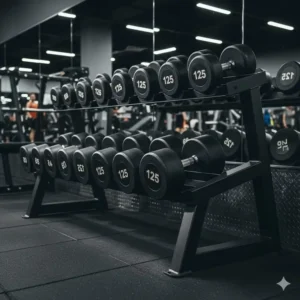
Why specifically target a 125 pound dumbbell? It’s a matter of advanced biomechanics and training stimulus. When you can handle this much weight unilaterally, you unlock powerful physiological adaptations that lighter weights cannot provoke.
Unilateral Training and Stabilizer Muscle Recruitment
The main benefit of a heavy dumbbell is the forced unilateral challenge. When you use two hands on a barbell, your stronger side naturally compensates for the weaker side. This is one of the reasons people love heavy lifts. However, using a 125 lb dumbbell for a single-arm row or press eliminates this compensation, exposing and correcting strength imbalances. Furthermore, the inherent instability of balancing such a large, off-center mass forces your smaller, stabilizing muscles—especially in the core, shoulders (rotator cuff), and hips—to work overtime. This recruitment is a form of functional strength that translates directly to better overall athleticism and injury prevention. A truly heavy dumbbell provides a unique dumbbell training for muscle growth stimulus.
“For advanced lifters, the stability demand of a single heavy dumbbell forces a higher motor unit recruitment in the core, directly enhancing functional strength that protects the spine under load,” according to a recent review on unilateral vs. bilateral training protocols.
Progressive Overload and Hypertrophy
Progressive overload is the cornerstone of muscle growth (hypertrophy). Once you can handle a 100-pound dumbbell for 8-12 repetitions, you must increase the resistance to continue stimulating new growth. The jump to a 125 pound dumbbell is a 25% increase in resistance, which is a massive leap forward. For exercises like heavy shrugs, farmer’s walks, or dumbbell squats, the heavy 125 pound dumbbell provides the necessary resistance to continue pushing past strength plateaus. This transition is essential for maximizing your efforts in dumbbell training for muscle growth.
The Psychological Edge
There’s a significant psychological boost to conquering the 125 pound dumbbell. It represents a mastery of strength and commitment. This mental strength translates into more focused, higher-intensity workouts, which, in turn, drive better physical results. The mental toughness required to stabilize and control a 125 pound dumbbell for a full set of overhead presses is transferable to every other aspect of your lifting and, indeed, your life.
Cost Analysis: Budget vs. Premium Heavy Dumbbells
When looking for a 125 pound dumbbell, the price can vary wildly based on the material, brand reputation, and whether you are buying a fixed weight or an adjustable set. Generally speaking, fixed weights offer better long-term durability and feel but require a greater upfront and space investment.
| Category | Typical Brands | Material/Type | Cost Range (Per 125 Lb Dumbbell) | Pros/Cons Summary |
| Budget/Standard | Titan, CAP Barbell | Rubber Hex | $\$$ – (Lowest Cost Fixed) | ✅ Low barrier to entry; Hex shape.
❌ May have an odor; lower precision. |
| Mid-Range | Rep Fitness, York Barbell | High-Quality Rubber Hex | $\$\$\$$ – (Great Blend of Value/Quality) | ✅ Good rubber quality; reliable construction; trusted by many.
❌ Still prone to minor wear. |
| Premium Fixed | Rogue Fitness, Eleiko | Urethane, High-End Rubber | $\$\$\$\$$ – (Highest Cost Fixed) | ✅ Unmatched durability, zero odor, high precision.
❌ Highest price point. |
| Premium Adjustable | Ironmaster, PowerBlock | Steel Plate System | $$$$$ + (High System Cost) | ✅ Space-saving; reaches 125 lbs; rock-solid or fast adjust.
❌ High system cost; potential ergonomic issues. |
Essential Heavy Dumbbell Exercises (125 lb Focus)
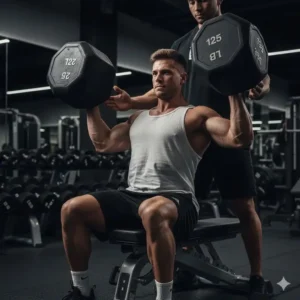
A 125 pound dumbbell is a powerful tool best utilized for compound and single-side movements that demand core stability and maximum muscle fiber recruitment. Here are the top four exercises that leverage a 125 lb dumbbell:
1. Single-Arm Dumbbell Row 🚣
-
Focus: Latissimus Dorsi (Lats), Upper Back, Biceps, and especially Core Anti-Rotation.
-
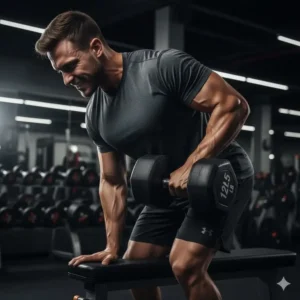
Mechanism: Lifting a 125 pound dumbbell unilaterally forces the core to brace against a massive rotational force, stabilizing the spine. This high-load stimulus is incomparable for building a thick, dense back. It’s one of the best heavy dumbbell exercises for total body strength integration.
-
Technique Tip: Keep your back flat and pull the dumbbell toward your hip, not your chest. Control the negative (lowering) phase to maximize muscle time under tension.
2. Heavy Dumbbell Floor Press / Incline Press 💥
-
Focus: Chest (Pectorals), Triceps, and Anterior Deltoids.
-
Mechanism: The 125 pound dumbbell allows for a deeper stretch (if done on an incline or bench) and a greater overall chest stimulus than many lifters can handle with a barbell, while simultaneously recruiting smaller stabilizer muscles that are often neglected. The floor press variation limits the range of motion (ROM), allowing you to safely handle even heavier weights and focus entirely on lockout strength, which is vital for any heavy dumbbell lifter.
3. Farmer’s Walk / Heavy Carry 🚶
-
Focus: Grip Strength, Core Stability, Trapezius, and Overall Body Endurance.
-
Mechanism: Nothing taxes the entire body and grip strength quite like holding a 125 pound dumbbell in each hand and walking for distance or time. This is a foundational strongman movement and arguably the most functional of all heavy dumbbell exercises. It builds immense trap thickness and dramatically improves your ability to brace under load.
4. Single-Arm Overhead Press 🎯
-
Focus: Shoulders (Deltoids), Triceps, and Extreme Core Stability.
-
Mechanism: Pressing a 125 pound dumbbell overhead with one arm is the ultimate test of full-body coordination and stability. The weight’s center of gravity is constantly shifting, forcing every muscle from your feet to your fingertips to engage. It is a highly effective, albeit dangerous if done improperly, way to achieve dumbbell training for muscle growth in the shoulders.
Safety and Technique: Handling a 125 pound dumbbell
Lifting weights this heavy dramatically increases the risk of injury if proper safety protocols are not followed. A 125 pound dumbbell demands respect and meticulous technique.
-
Warm-up is Non-Negotiable: For a weight this heavy, your warm-up must include specific rotator cuff, shoulder, and core activation exercises. You should do at least 3-4 warm-up sets building up to the 125 lb dumbbell weight.
-
The Pick-Up and Set-Down: The most common injury occurs during the transition. Use a proper hip hinge (deadlift form) to pick up and set down the dumbbell. Never round your back. For pressing movements, learning the thigh-to-shoulder “kick-up” technique is essential to safely get the heavy dumbbell into position.
-
Core Bracing: Before every repetition, you must consciously “brace” your core as if preparing to take a punch. This spinal rigidity is what protects your lower back, especially when performing single-arm rows with a 125 pound dumbbell.
-
Know Your Limit: Never ego lift with a 125 pound dumbbell. If your form breaks down significantly on the first rep, the weight is too heavy. Drop the weight back to 110 or 115 pounds until your strength catches up.
For more detailed advice on safe lifting techniques, consult authoritative sources such as the National Strength and Conditioning Association (NSCA) standards for spotting and technique. [^1]
Feature Comparison: Handle Knurling and Grip
The quality of the grip is a vital, yet often overlooked, feature of a heavy dumbbell. When you are lifting a 125 pound dumbbell, the handle is the only thing connecting you to the weight. A poor grip can cause the weight to slip, leading to injury, or simply limit your ability to train with the correct load because your grip fails before your target muscle does.
| Handle Feature | Description | Impact on 125 pound dumbbell Use | Best For |
| Straight Handle | Uniform diameter across the grip length. | Excellent for consistency and pure strength testing. | Powerlifters, general pressing movements. |
| Contoured/Ergonomic | Thicker in the center, tapering on the sides. | May feel more comfortable but can put wrists in an unnatural position under heavy load. | Beginners, lighter functional movements. |
| Light Knurling | Fine, shallow cross-hatch pattern. | Minimal friction, relies more on grip strength or straps. | High-rep movements, those with sensitive hands. |
| Deep Knurling | Pronounced, aggressive cross-hatch pattern. | Maximum traction, essential for single-arm heavy dumbbell exercises like the 125 lb row. | Advanced lifters, heavy dumbbell work, lifting without straps. |
| Fat Grip Diameter | Handles 38mm+ in diameter. | Activates forearm muscles more intensely, significantly boosting grip strength over time. | Anyone prioritizing grip strength and forearm development. |
Dumbbell Training for Muscle Growth: Volume vs. Intensity
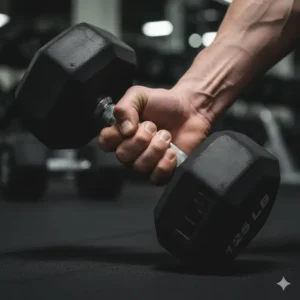
When using a 125 pound dumbbell, the debate between high-volume (more sets/reps) and high-intensity (heavier load/fewer reps) becomes sharper. Because the weight is so substantial, your training approach needs to be calculated.
High-Intensity Training with a 125 lb Dumbbell
If your goal is absolute strength (Maximal Voluntary Contraction), you should focus on low reps (3-5 per set) at the highest load you can handle, which is often the 125 pound dumbbell for a challenging exercise like the overhead press. This type of training emphasizes neurological adaptations—teaching your body to recruit more muscle fibers simultaneously—rather than purely muscle size. It is the core principle of heavy dumbbell exercises.
High-Volume Hypertrophy with a Heavy Dumbbell
If your primary goal is muscle size (hypertrophy), you will use the 125 pound dumbbell for your heaviest set, but you will also incorporate slightly lighter weights (say, the 100 lb or 110 lb dumbbell) for higher volume sets (8-12 reps). This approach maximizes the Time Under Tension and metabolic stress, two key drivers of muscle growth. Therefore, even if you are capable of pressing the 125 pound dumbbell for a single rep, dropping the weight to allow for a clean 8-rep set is often better for dumbbell training for muscle growth.
The American College of Sports Medicine (ACSM) generally recommends loads between 70-85% of your one-rep max (1RM) for 8–12 repetitions to maximize hypertrophy. [^2] For a typical advanced lifter, a 125 lb dumbbell often sits squarely in the 70-85% range for exercises like the single-arm row or incline press.
User Compatibility Matrix: Who Should Buy the 125 pound dumbbell?
Deciding whether to purchase a single 125 pound dumbbell (or a pair) depends heavily on your current strength level, fitness goals, and available space. This weight is a specialized tool.
| User Profile | Current Strength Benchmark (Approx.) | Suitability for 125 pound dumbbell | Recommended Model Type |
| Beginner/Novice | Dumbbell Press: < 60 lbs/hand | Low. This weight is unsafe and unnecessary. Focus on form with lighter weights. | Adjustable Sets (e.g., PowerBlock Sport) |
| Intermediate Lifter | Dumbbell Press: 60-90 lbs/hand | Medium. Could use it for heavy rows or farmer’s walks, but not pressing yet. | Mid-Range Rubber Hex (e.g., Rep Fitness) for supplemental use. |
| Advanced Lifter | Dumbbell Press: 90-120 lbs/hand | High. Essential for continued progressive overload in all primary heavy dumbbell exercises. | Premium Fixed or High-Capacity Adjustable (e.g., Rogue, Ironmaster). |
| Strongman/Powerlifter | All lifts 100+ lbs/hand | Crucial. Necessary for competition prep, grip training, and maximal unilateral load. | Premium Fixed Urethane (e.g., Rogue) for ultimate durability. |
| Space-Constrained User | Varies | High (Adjustable). If space is limited, the Ironmaster or PowerBlock 125 lb sets are ideal. | Ironmaster Quick-Lock or PowerBlock Commercial Pro. |
Maintenance and Longevity of Your Heavy Dumbbells
A 125 pound dumbbell is a piece of equipment that should last a lifetime, but even the best construction benefits from basic care, especially the rubber and urethane coatings.
-
Cleaning: Use a mild soap and water solution to wipe down the rubber/urethane heads and the steel handles regularly. Avoid harsh chemical cleaners, as they can degrade the rubber or strip the chrome finish off the handle.
-
Storage: Always store the heavy dumbbell on a purpose-built rack. Storing them on the floor creates a tripping hazard and can encourage premature wear on the rubber or knurling. If you use a rack, make sure it is rated for the cumulative weight of the dumbbells.
-
Knurling Care: The knurling on your 125 lb dumbbell handle can accumulate chalk, skin, and sweat. Use a stiff nylon brush (or a wire brush very gently) to clean out the knurling grooves periodically, ensuring you always maintain a confident and secure grip for your heavy dumbbell exercises.
🛒 Find Your Ultimate 125 Pound Dumbbell and Start Your Transformation Today! 🚀
Conclusion
The 125 pound dumbbell is a true indicator of advanced strength and dedication. It’s more than just weight; it is a meticulously engineered tool that, when wielded correctly, can unlock new levels of power, stability, and muscle hypertrophy. Whether you opt for the budget-friendly value of the Rep Fitness Rubber Hex Dumbbells or the uncompromising quality of the Rogue Urethane Dumbbells, your investment in this heavy resistance is an investment in your long-term physical potential.
Remember, the jump to this level of heavy dumbbell exercises requires patience, respect for the weight, and unwavering dedication to perfect form. Once you’ve conquered the 125 lb dumbbell, the world of strength training opens up, and you’ll realize that the journey of progressive overload is truly limitless. Start your dumbbell training for muscle growth with confidence and competence.
FAQ
✅ The 125 pound dumbbell is not too heavy, but it is a specialized piece of equipment best suited for advanced lifters who have outgrown standard 100-pound dumbbells. It’s necessary for continued strength progression and heavy dumbbell exercises once intermediate weights are mastered. For most initial home gyms, adjustable dumbbells or sets up to 75 lbs are sufficient, but a 125 lb dumbbell is the next logical step for the serious strength athlete…
✅ The 125 pound dumbbell is optimally used for heavy unilateral exercises that require maximum core and stabilizer activation. Top movements include the Single-Arm Dumbbell Row, Heavy Farmer’s Walk, Shrugs, and low-rep Dumbbell Floor or Incline Presses. These heavy dumbbell exercises leverage the weight to maximize back and grip development and push strength limits beyond bilateral movements…
✅ The primary difference lies in durability, smell, and cost. Urethane is significantly more expensive but is nearly indestructible, resists abrasion, and has virtually no odor, making it the premium choice for a 125 pound dumbbell. Rubber is more affordable and durable, but it can scuff floors and may have a noticeable initial rubber odor, though quality brands minimize this issue…
✅ For maximal strength and muscle growth, purchasing one 125 pound dumbbell first is highly recommended. The most beneficial heavy dumbbell exercises (rows, presses, carries) can be performed unilaterally, which forces the correction of strength imbalances. If your budget only allows for one, start with the single 125 lb dumbbell and master single-arm movements before committing to a pair for bilateral work…
✅ To effectively use a 125 lb dumbbell for dumbbell training for muscle growth, you should integrate it into your routine 2-3 times per week, specifically focusing on low-volume, high-intensity sets (3-6 reps) for key movements like rows and presses. Ensure 48-72 hours of recovery between sessions targeting the same muscle group to allow for the necessary high-load adaptation and muscle repair… ❓ Is a 125 pound dumbbell too heavy for a home gym?
❓ What exercises are best performed with a 125 pound dumbbell?
❓ What is the main difference between a rubber and urethane 125 pound dumbbell?
❓ Should I buy one 125 pound dumbbell or a pair first?
❓ How often should I train with the 125 lb dumbbell to build muscle?
Recommended for You
- Adjustable Dumbbells vs Fixed: 7 Key Differences That Transform Your Workout [2025]
- Adjustable Dumbbells 50 100: 7 Best Heavy-Duty Sets 2025
- Pepin Dumbbell Handles: The Ultimate 2025 Guide (7 Expert-Approved Picks You’ll Love)
Disclaimer: This article contains affiliate links. If you purchase products through these links, we may earn a small commission at no additional cost to you.
✨ Found this helpful? Share it with your friends! 💬🤗